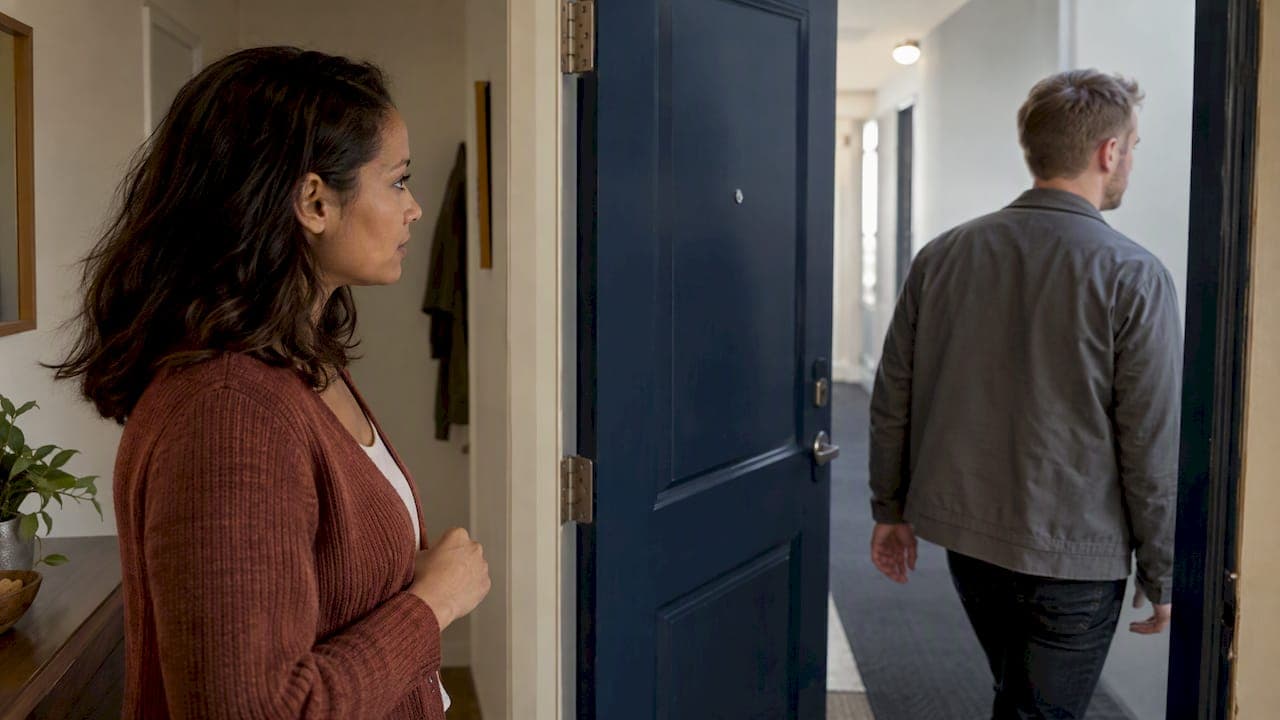
Your partner is ten minutes late and your chest is already tight. You have checked your phone four times. You picture a car accident. Or your child is at school and you cannot stop rehearsing what could go wrong. If that sounds familiar, you probably want to know whether hypnosis can help. It can be a useful part of treatment for some adults, mostly by calming the alarm response that drives the fear. The best evidence says it works better alongside a standard psychological treatment than as a stand-alone fix. This guide explains why, what a session looks like, and who should talk to a doctor first.
We use a simple structure here: Problem, Agitate, Solution (PAS). First we name the problem plainly. Then we look at what it costs you. Then we lay out what hypnotherapy does about it, and where it stops.
TL;DR
- Adult separation anxiety usually centers on a child or romantic partner, and it can disrupt work, relationships and travel.
- Cognitive behavioral therapy (CBT) is the first-line treatment. Hypnosis is a complementary tool, not a replacement.
- A 2019 meta-analysis found hypnosis worked better for anxiety when combined with another psychological treatment than when used alone.
- Hypnosis by a trained professional is generally safe, but people with severe mental illness or unprocessed trauma need screening first.
- Sleep hypnosis recordings can help you relax. They are not the same as a session built around your specific fear.
Table of Contents
- The problem: your body reads distance as danger
- The agitation: what the pattern costs you
- The solution, part one: start with what the evidence says
- The solution, part two: how hypnosis works on the alarm response
- What a session looks like
- Online hypnosis versus recordings
- Is it safe? Who should check with a doctor first
- Our perspective
- Work with a clinical hypnotherapist online
- How to get the most from hypnosis for separation anxiety
- FAQ
- Sources
The problem: your body reads distance as danger
Separation anxiety is not only a childhood problem. Cleveland Clinic describes it as excessive fear or anxiety about separation from an attachment figure that is out of proportion to the situation. In adults, it most often centers on a child or a romantic partner.
In daily life, it looks like this:
- You text your partner several times an hour to check in.
- You call off work because you cannot leave your child.
- You lie awake until someone is home.
- You turn down a trip because being apart feels unbearable.
- You imagine specific harm: a crash, an illness, an abandonment.
Cleveland Clinic notes that adults may call off work or text often to check, and that the disorder can interfere with work, relationships and travel. Mayo Clinic adds that it can cause major distress and problems at home, socially and at work. It can also occur alongside other anxiety disorders, panic attacks, obsessive-compulsive disorder or depression.
What is happening in your nervous system
The fear feels like a thought, but it starts lower down. Your brain's threat system scans for danger. When it tags separation as dangerous, it triggers the fight-or-flight response. Your heart rate rises. Your breathing gets shallow. Your muscles tense. Your attention narrows onto the one thing you are afraid of.
Then your thinking mind tries to explain the sensation. It produces a story: something is wrong with them, something is about to happen. The story feels like proof that the alarm was right. So the alarm gets louder next time.
This is a learned pattern, and it runs mostly below conscious awareness. You can know, with total logic, that your partner is fine. The alarm does not check with logic first. That gap between what you know and what you feel is the reason many people say, "I understand it's irrational, and it doesn't help."
The agitation: what the pattern costs you
The pattern feeds itself. Checking calms the alarm for a few minutes. The relief teaches your brain that checking was necessary. So the urge returns sooner and stronger.
Over months, the costs add up:
- Sleep. You stay alert until everyone is accounted for, so your body never fully powers down.
- Work. You miss meetings or lose focus because your phone is the center of your day.
- Relationships. A partner may feel monitored. A child may pick up on your tension. Neither is your fault, but both are real.
- Freedom. Business trips, a night out, even a long drive start to feel like threats.
Many people wait years because they assume this is just how they are. It is not a personality flaw. It is a conditioned stress response, and conditioned responses can be retrained.
The solution, part one: start with what the evidence says
Before we talk about hypnosis, you should know the standard of care. Cleveland Clinic states that psychotherapy, especially CBT, is the first-line treatment for separation anxiety disorder. Dialectical behavior therapy and family therapy may also be used.
So where does hypnosis fit? The research is encouraging for anxiety in general, with limits.
What the studies found
A 2019 meta-analysis by Valentine and colleagues pooled 15 studies and 17 trials. It found a mean post-treatment effect size of 0.79 for hypnosis versus control, and 0.99 across seven trials at the longest follow-up. Effect sizes near 0.8 are generally considered large. The same analysis found hypnosis was more effective when combined with another psychological intervention than when used alone.
A broader 2024 review is more cautious. Rosendahl, Alldredge and Haddenhorst looked at 49 meta-analyses covering 261 primary studies. They found the strongest hypnosis evidence in medical procedures and pain. Evidence for mental and psychosomatic disorders was mixed, and one anxiety comparison found no significant added benefit when hypnosis was added to CBT.
The VA's guided imagery guide is similarly careful. It reports low confidence for many conditions because the studies vary, are at risk of bias and are often unblinded, even though anxiety looks promising.
What this means for you
Here is the honest reading:
- Hypnosis has real research behind it for anxiety, and no one has shown it is harmful when done by a trained professional.
- We have not seen large trials of hypnosis built specifically for adult separation anxiety. Nobody can promise you a result.
- The strongest case is hypnosis as a complement to established care, not as a substitute.
The VA frames clinical hypnosis the same way: a complementary, clinician-guided coping tool that can sit alongside ordinary care and later be practiced on your own. It also says hypnosis is provided by trained, licensed professionals and may help with anxiety, sleep, pain, IBS, depression and habit control.
The solution, part two: how hypnosis works on the alarm response
Hypnosis is a directed, focused state of attention. You are not asleep and you are not controlled. The VA says the patient remains in control and may stop at any time.
Why would focused attention help with fear? Three reasons.
It lowers physical arousal first. The induction uses slow pacing and relaxing imagery. Your breathing slows and your muscles loosen. You practice a body state that is incompatible with full fight-or-flight. That alone gives the alarm response something new to learn.
It makes you more open to suggestion. In the focused state, your critical commentary quiets down. The VA explains that after induction, imagery and suggestions are used to influence sensations, perceptions, thoughts, feelings and behaviors. For separation anxiety, that can mean rehearsing a calm response to the moment of parting, or to the silence when no one has texted back.
It works at the level where the pattern lives. The automatic fear response is stored below conscious reasoning. Imagery lets you practice a different response to the same trigger, in a safe setting, repeatedly. Over several sessions that new response can become the default.
This is also why combining it with CBT makes sense. CBT gives you skills for the thoughts and the avoidance. Hypnosis gives your body a way to practice staying settled while you use them.

What a session looks like
Mayo Clinic describes the process this way: the therapist reviews your treatment goals, speaks gently and describes relaxing images, then offers suggestions and imagery related to those goals. You usually stay aware and in control, and you may come out of it on your own or with the therapist's gradual guidance.
The VA describes a first session as starting with a discussion of your concerns and goals, then a personalized plan. Here is how that might look for separation anxiety:
- Conversation. You describe the exact moment the fear spikes. Is it the sound of the door closing? The unanswered text? The drop-off at school? Specific triggers make specific work.
- Screening. The therapist asks about your history, other diagnoses, medications and any trauma. This step decides whether hypnosis is appropriate for you at all.
- Induction. You settle into a comfortable position. The therapist guides your attention and your breathing.
- Suggestions and imagery. You rehearse the trigger moment while your body stays calm. You might picture saying goodbye and noticing your shoulders drop.
- Return. You come back to full alertness and talk through what you noticed.
- Practice plan. You leave with something to do between sessions, such as a short self-hypnosis routine you use before a known trigger.
Most people do not feel dramatic effects in minute one. The shift tends to show up as small differences: you wait twenty minutes before checking instead of five, or you fall asleep before your partner gets home.
Online hypnosis versus recordings
The top results for this search are mostly sleep hypnosis audio tracks and long videos. Recordings are real tools. The VA notes that audio recordings and online downloads are widely available, and that clinical hypnosis can be taught as a self-management skill.
Here is a fair comparison:
| Recording | Live session with a clinician | |
|---|---|---|
| Personal to your trigger | No, it is general | Yes, built around your exact scenario |
| Screening for risks | None | Yes, before any imagery work |
| Can adjust in real time | No | Yes, if you become distressed |
| Best use | Daily relaxation, sleep, maintaining gains | Retraining a specific fear response |
| Cost | Often free or low | Fee per session or package |
A recording will not ask whether you have unprocessed trauma, and it cannot stop when something comes up. If you try one, treat it as a relaxation tool and keep your expectations modest.
Online sessions over video are a practical option, particularly if anxiety makes leaving home hard. You can read more about how that works in our guide to whether you can be hypnotized online.
Is it safe? Who should check with a doctor first
Mayo Clinic says hypnosis by a trained therapist is generally safe. Rare reactions include dizziness, headache, nausea, sleepiness, anxiety or distress, and sleep problems. It advises choosing a certified professional.
There are situations where you should pause and get a medical or mental health assessment first:
- Severe mental illness. Mayo cautions that hypnosis may be unsafe for some people with severe mental illness. If you have psychosis, see your psychiatrist before anything else.
- Unprocessed trauma. Mayo says using hypnosis to work through earlier stressful events can trigger strong emotional reactions, and that CBT is more helpful for historical stress and trauma. The VA also advises extreme care with imagery work when trauma could emerge during the session.
- A diagnosis you have not confirmed. Constant fear about a partner or child may be separation anxiety. It may also be panic disorder, OCD, depression or something else. The VA advises asking your healthcare provider whether clinical hypnosis is appropriate, not treating it as a substitute for assessment.
If your anxiety has you avoiding work, skipping sleep or having panic attacks, see a doctor or a licensed mental health professional. Hypnosis can be added to that care. It should not delay it.
For more on how screening reduces risk, see our pages on contraindications for anxiety hypnotherapy and hypnosis side effects.
Our perspective
We see the same pattern again and again in anxious clients. The person understands the fear fully and still cannot make it stop. That tells us the problem is not a lack of insight. The alarm response was learned, so it has to be practiced out, not argued out.
That is why our sessions start with the body. We slow the breathing, settle the nervous system, and only then work with the specific trigger. We use clinical hypnotherapy together with NLP techniques and guided imagery, and we tailor each plan to the person's own scenario.
We also hold a line on honesty. Hypnosis is not a cure-all, and it is not a replacement for CBT when CBT is what you need. If you are working with a therapist, tell us, and we will fit around that care. If screening shows hypnosis is not right for you right now, we will say so and point you to the right professional. Our aim is relief that lasts, which means working on the root pattern and not just soothing the moment.
— Kirk
Work with a clinical hypnotherapist online
Kirk Hoffman is a Certified Clinical Hypnotherapist who sees clients across the United States over Zoom. Sessions focus on the subconscious patterns behind anxiety, using clinical hypnosis and advanced NLP techniques. You can start with a free consultation to talk through your situation and find out whether hypnotherapy is a fit.
See our online hypnotherapy for anxiety page for details, or book an appointment directly. If you are not sure what to expect, our three steps to take before a first session will help you get ready.
How to get the most from hypnosis for separation anxiety
A few practical habits make a difference, whichever route you take:
- Name the trigger precisely. "I get anxious when apart" is vague. "My stomach drops when my wife's flight takes off" is workable.
- Track the checking. For one week, write down how often you check in and how long the relief lasts. This gives you a baseline.
- Delay, then extend. Once you have a calmer body state, wait a little longer before each check. The goal is to teach your brain that the alarm fades by itself.
- Pair hypnosis with CBT or your existing care. The evidence points to the combination as stronger than hypnosis alone.
- Practice daily. Five to ten minutes of relaxation or self-hypnosis keeps the new response fresh.
- Tell your family. A partner who understands what you are doing can stop reinforcing the checking loop.
If your anxiety is broader than separation, our guides to generalized anxiety hypnosis and hypnotherapy for health anxiety may match your situation better. Fear that spikes in the car has its own page on driving anxiety.
FAQ
Can hypnosis cure separation anxiety?
No one can promise a cure. Research supports hypnosis as helpful for anxiety, especially alongside another psychological treatment, but there are no large trials built for adult separation anxiety specifically. Think of it as a tool that can reduce the alarm response while you also use first-line care like CBT.
How many sessions does it take?
It varies by person and by how long the pattern has been running. Many people notice small changes in the first few sessions, such as less urgency to check in. Your therapist should give you a plan after the first conversation, and it should be reviewed as you go.
Are sleep hypnosis videos enough?
They can help you relax and sleep, and the VA notes that recordings are widely available. They do not screen you for risks or target your specific trigger. If your separation anxiety affects your work or relationships, a live session or a licensed therapist is a better starting point.
Is online hypnosis as good as in-person?
The process relies on your attention and the therapist's guidance, both of which carry over to video. Online sessions also let you practice in the place where your anxiety actually shows up, like your own home. Make sure you have a private, quiet space and a stable connection.
Will I lose control or say things I do not want to?
No. Mayo Clinic says people usually remain aware and in control during hypnosis, and the VA says you can stop at any time. You are focused, not unconscious.
Sources
- Cleveland Clinic: Separation Anxiety Disorder
- Mayo Clinic: Separation anxiety disorder, symptoms and causes
- Mayo Clinic: Hypnosis
- U.S. Department of Veterans Affairs: Clinical Hypnosis, Whole Health
- U.S. Department of Veterans Affairs: Clinical Hypnosis guide
- U.S. Department of Veterans Affairs: Guided Imagery guide
- Valentine et al., 2019: The Efficacy of Hypnosis as a Treatment for Anxiety
- Rosendahl, Alldredge and Haddenhorst, 2024: Meta-analytic evidence on the efficacy of hypnosis