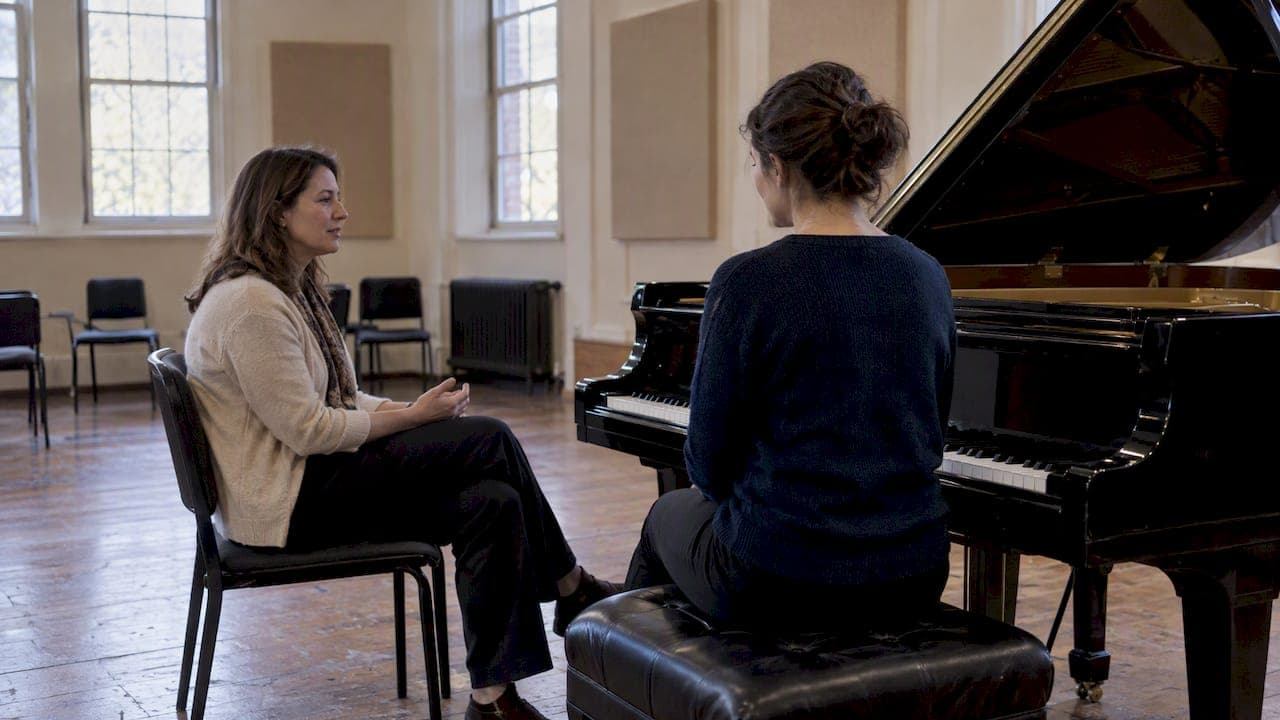
Hypnosis can reduce performance anxiety for many people, and live, tailored sessions usually produce the fastest, most durable change. The strongest clinical evidence comes from procedural distress research, with performance-specific studies still smaller in number. Some clients notice a shift in focus and physical calm after one to three sessions, though results vary by person and by how specific the fear is.
TL;DR:
- Hypnosis, especially live sessions tailored to your specific performance trigger, tends to produce faster and more durable anxiety reduction.
- Two sessions of cognitive hypnotherapy can significantly lower state anxiety and improve performance, as shown in studies with musicians like pianists.
- Most research evidence remains in medical contexts or procedural distress, with limited high-quality studies directly on performance anxiety.
- A typical therapy plan includes 4 to 8 sessions focusing on the trigger, plus reinforcement practices like self-hypnosis and breathing techniques.
- Using recordings for general calming or pre-performance rehearsal complements personalized hypnotherapy, which is most effective for specific, long-standing fears.
Table of Contents
- How hypnosis changes your response to fear
- What the research says, and where it falls short
- What a hypnotherapy session actually looks like
- Live sessions or recordings: how to choose
- Preparation steps you can use before you perform
- Choosing a qualified hypnotherapist safely
- A clinician-led approach to performance anxiety
- When hypnosis alone is enough, and when it is not
- Book online hypnotherapy with Hypnotic Transformations
- FAQ
- Sources
How hypnosis changes your response to fear
Hypnosis is a state of focused attention combined with openness to suggestion. It is not sleep, and it does not mean losing control. During a session, attention narrows while the usual mental chatter quiets down, which gives suggestion a more direct path to the parts of the brain managing habit and emotional reaction.
This matters for performance anxiety because the fear response is largely automatic. A conditioned trigger, walking onstage, picking up an instrument, stepping to a podium, sets off the fight-or-flight response before conscious thought catches up. Hypnosis works by addressing the association itself, not just the thought about it.
Clinicians commonly use:
- Guided imagery that rehearses the performance calmly, start to finish
- Direct and indirect suggestion aimed at reducing the automatic alarm response
- Cognitive hypnotherapy, which blends hypnotic suggestion with reframing of the specific fear
For more on how this process works and what it actually feels like, see our overview of hypnosis safety.
What the research says, and where it falls short
A 2017 randomized study of advanced pianists found that cognitive hypnotherapy reduced state anxiety and improved performance after just two sessions, compared with a control group. That is one of the few controlled trials aimed directly at performance anxiety rather than general anxiety.
A meta-analysis found a mean effect size of 0.88 for hypnosis in reducing procedural distress, a result from medical settings that researchers describe as suggestive but not directly proven for performance anxiety because the contexts differ.
A broader 2024 review of meta-analyses backs this pattern: the strongest, most consistent evidence sits in medical procedures and pain, while performance-specific anxiety research remains thinner.
The honest limitations:
- Many performance anxiety studies use small samples, often fewer than 30 participants
- Study designs vary widely, making direct comparison difficult
- More randomized trials focused specifically on performance settings, not just procedural anxiety, are needed
What a hypnotherapy session actually looks like
A typical live session runs 60 to 90 minutes for the first visit, with follow-ups often shorter. For anxiety that has built up over years rather than one bad experience, clinicians often plan for 4 to 8 sessions.
- Session one covers history, triggers, and a baseline measure of anxiety before any hypnotic work begins.
- Sessions two and three usually target the specific trigger directly, using imagery and suggestion tied to that performance scenario.
- Later sessions reinforce the change and address relapse prevention, especially before a big event.
Many clients report calmer physical sensations, slower heart rate, steadier breath, within the first two sessions. Homework, often a short recorded track for daily practice, helps lock in the change between visits.
Live sessions or recordings: how to choose
Live, personalized sessions let a clinician adjust language and imagery to your specific trigger in real time, which tends to produce deeper and faster change for anxiety rooted in a particular situation or past event. Recordings cannot adapt to you, but they still have a role.
- Live sessions work best when the fear is specific, long-standing, or tied to a particular memory
- Recorded audio works well for general rehearsal and calming before a known event
- Recordings cost less and are available anytime, which matters for frequent pre-show use
Pro Tip: Use a live session to build the core change, then keep a short recorded track for the week before a performance.
Preparation steps you can use before you perform
Hypnosis works better alongside simple habits you practice on your own.
- Four to five minutes before you go on, breathe in for four counts, hold for four, and exhale for six, repeating for about a minute.
- Pick one physical cue, touching your thumb to your index finger works well, and pair it with a calm mental image during practice so it becomes an anchor you can trigger under pressure.
- Spend 60 to 90 seconds in self-hypnosis: close your eyes, picture the performance going smoothly from start to finish, and notice how your body feels calm throughout.
- Try the 3-3-3 rule when anxiety spikes suddenly: name three things you see, three sounds you hear, and move three parts of your body. This grounds attention in the present moment and interrupts the spiral of anticipatory fear.
Pro Tip: Practice your mental rehearsal script daily for two weeks before a big event, not just the night before.
For performance settings specifically, our guide to public speaking anxiety walks through scripts in more detail.
Choosing a qualified hypnotherapist safely
Look for a Certified Clinical Hypnotherapist (CCHt) credential, confirmation of telehealth licensing for your state, and clarity about what falls inside the clinician's scope of practice versus when a referral is needed.
- Ask directly how many sessions similar cases have typically needed and what outcomes look like
- Confirm the clinician screens for trauma history before diving into hypnotic work, since strong emotional reactions can surface when past trauma is activated
- Expect rare side effects such as dizziness, headache, or brief lightheadedness, which screening before sessions helps minimize
- For complex cases, Mayo Clinic notes hypnosis is often recommended alongside cognitive behavioral therapy rather than as a stand-alone treatment
A clinician-led approach to performance anxiety
Kirk Hoffman, a Certified Clinical Hypnotherapist, built a model around the research above: live sessions targeting the specific trigger, followed by short self-hypnosis practice between visits. Sessions typically run 5 to 10 minutes for brief reinforcement work between visits, with the core therapy plan spanning 4 to 8 sessions depending on how entrenched the fear is.
This structure mirrors what the pianist study and procedural distress research both point toward: targeted work plus repetition beats a single long session. Clients dealing with public speaking, auditions, exams, or athletic performance fit this model well.

When hypnosis alone is enough, and when it is not
Hypnosis alone often helps when the fear is specific and the person has no deeper trauma attached to it. When anxiety is generalized, tied to panic attacks, or rooted in a traumatic memory, pairing hypnosis with CBT or a psychiatric evaluation gives a more complete path forward. A good clinician adjusts the plan once the trigger's full picture is clear.
— Kirk
Book online hypnotherapy with Hypnotic Transformations
We built our online hypnotherapy for anxiety around the session structure described above: a first call that maps your specific trigger, followed by targeted sessions aimed at the root cause rather than ongoing symptom management.
- A consultation call lets us outline a realistic session plan before you commit
- Sessions run over Zoom, allowing clients to connect from their location
- Imagery and suggestion are tailored to your performance scenario, such as a stage, a courtroom, or a classroom
Before your first call, jot down when the anxiety started and what it feels like physically. You can see the full range of options and book a session directly when you are ready to start.
This article is general information, not a substitute for advice from a qualified doctor. Consult a qualified healthcare professional about your own circumstances before acting on anything here.
FAQ
What is the best treatment for performance anxiety?
There is no single best treatment for everyone. Cognitive behavioral therapy has the broadest evidence base for anxiety generally, while hypnosis shows particular promise for specific triggers, as seen in the pianist study where two sessions reduced state anxiety. Many clinicians combine approaches based on how the fear presents.
Does performance anxiety go away?
Performance anxiety often improves significantly with targeted treatment, though it rarely disappears instantly. Clients working with hypnotherapy commonly notice calmer physical responses within a few sessions, with continued practice reinforcing the change over weeks.
What is the 3-3-3 rule for anxiety?
The 3-3-3 rule is a grounding technique: name three things you see, three things you hear, and move three parts of your body. It interrupts a spike in anxiety by shifting attention to the present moment, and it pairs well with breathing exercises before a performance.
What are the potential risks of hypnotherapy?
Hypnotherapy is generally safe when performed by a trained professional, according to the Mayo Clinic. Rare side effects include dizziness, headache, nausea, or brief emotional distress, and clinicians screen beforehand to reduce these risks, particularly around past trauma.
Sources
- Music performance anxiety: A clinical outcome study into the effects of cognitive hypnotherapy and eye movement desensitisation and reprocessing in advanced pianists
- Hypnosis to manage distress related to medical procedures: a meta-analysis (NCBI Bookshelf)
- The Efficacy, Safety and Applications of Medical Hypnosis: A Systematic Review of Meta-analyses
- Hypnosis - Mayo Clinic