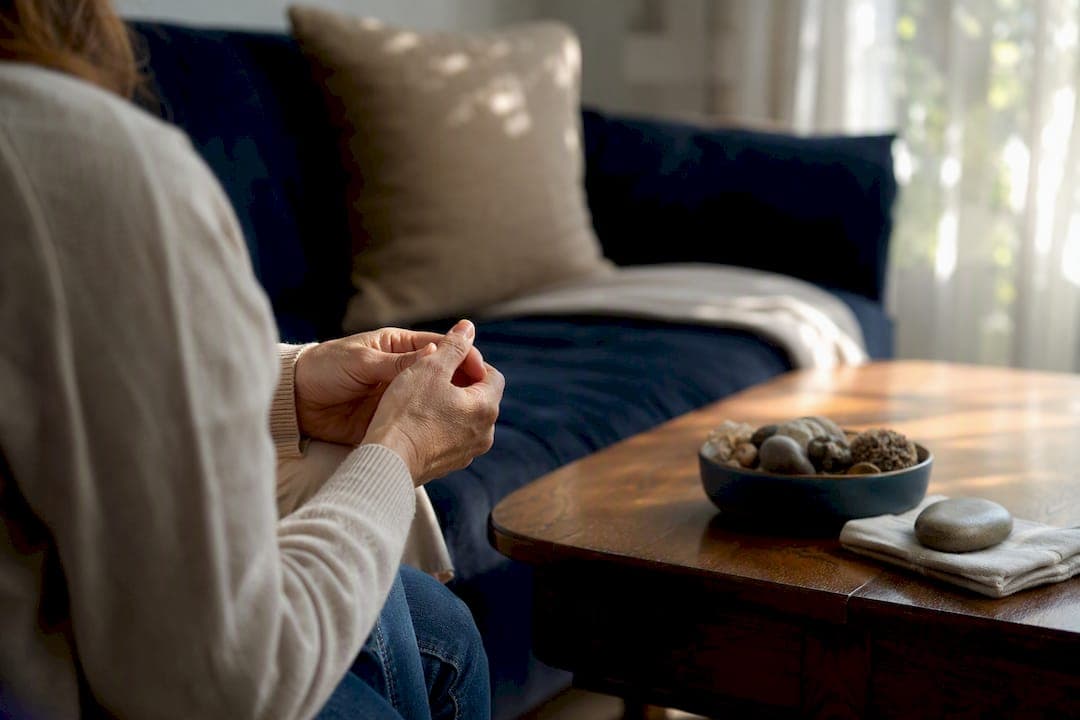
Yes. For many people, targeted hypnosis reduces the urge to bite nails, and a focused recording or a short series of clinical sessions can produce measurable change within weeks. This works through pattern interruption (breaking the automatic cue-to-mouth reflex), anchoring (linking a new response to the old trigger), and post-hypnotic suggestion (a instruction planted during trance that keeps working after the session ends).
Two ways to start today:
- Try a habit-specific self-hypnosis recording tonight, one written for nail biting specifically, not general relaxation.
- Book an intake with a certified clinical hypnotherapist if biting is frequent, tied to anxiety, or has resisted other fixes for years.
Choose a recording with clear, habit-specific suggestions, and schedule that intake this week if you want a personalized plan.
TL;DR:
- Hypnosis targets the habit loop by interrupting cues and rewards, often producing noticeable results within one to three sessions, especially when personalized.
- Effectiveness depends on choosing a habit-specific recording from a certified practitioner and practicing the suggested trigger and substitution techniques regularly.
- Expect lapses to happen and respond by re-anchoring and using booster recordings, rather than viewing setbacks as failure.
- A full clinical approach involves trigger mapping, tailored suggestions, anchor installation, and follow-up homework for durable change.
- Evidence from small studies indicates sustained nail growth and habit reduction, but individual response varies based on hypnotizability and underlying anxiety.
Table of Contents
- How Hypnosis for Nail Biting Actually Works
- Does the Research Actually Support This?
- What a Professional Hypnotherapy Session Actually Involves
- Choosing and Using a Self-Hypnosis Recording
- What To Do When You Slip Up
- How To Pick a Hypnotherapist for Nail Biting
- Ready to Stop Biting for Good? Here's How Hypnotic Transformations Helps
- Key Takeaways
- Sources
How Hypnosis for Nail Biting Actually Works
Nail biting runs on a habit loop: a cue (boredom, stress, a cuticle snag) triggers the behavior (biting), which delivers a reward (a hit of relief in the nervous system). Willpower tries to fight the behavior directly and usually loses, because the loop fires below conscious thought. Hypnosis works differently. It goes after the cue and the reward, not just the middle step.
In a hypnotic trance, the analytical, skeptical part of the mind (what hypnotherapists call the critical faculty) relaxes its guard. That is not sleep or unconsciousness. It is focused attention, similar to being absorbed in a movie, and it lets suggestions reach the subconscious mind directly instead of getting argued with first.
From there, a hypnotherapist typically uses a combination of techniques:
- Pattern interruption, which breaks the automatic hand-to-mouth sequence before it completes.
- Anchoring, where a physical gesture (pressing thumb and finger together, for example) gets linked to a calm state so the reader can trigger it on demand.
- Substitution behaviors, replacing biting with something that delivers a similar nervous-system payoff, like squeezing a stress ball or pressing a knuckle.
- Future pacing, mentally rehearsing a stressful moment and responding calmly, so the brain has already "practiced" the new pattern before it happens in real life.
Nail biting often spikes during a stress response, when the body shifts toward fight-or-flight and looks for something fast to discharge that tension. Practitioner guidance recommends pairing hypnosis with concrete coping strategies and visualization, precisely because calming the nervous system first makes the behavioral suggestions stick.
Pro Tip: Practice your anchor gesture when you are already calm, not just when you feel the urge to bite. The nervous system learns the gesture faster if it is first linked to a relaxed state, then transferred to a stressful one.
Does the Research Actually Support This?
The evidence base for hypnosis and nail biting is small but genuinely encouraging. A multiple-baseline hypnobehavioral study measured nail length in participants before and after treatment and found immediate increases right after the intervention, with most participants holding onto that progress at a three-month follow-up.
That is a meaningful signal for a chronic habit that usually resists simple willpower approaches. But it comes with real caveats. This was a small clinical study, not a large randomized trial, and outcomes vary with a person's hypnotizability (some people respond to trance work faster and more deeply than others) and whether anxiety or another coexisting condition is also feeding the biting.
Immediate increases in fingernail length followed treatment, and most participants maintained that improvement three months later, suggesting the change was not just a short-lived novelty effect.
What does that mean practically? Expect early results, often within one to a few sessions, but plan for a maintenance phase. A single hypnosis session can interrupt the pattern quickly. Keeping it interrupted, especially through stressful weeks, is where anchors, booster recordings, and occasional check-ins earn their keep. Clinical explainers consistently note that recorded homework and reinforced anchors are part of what makes results durable rather than temporary.
What a Professional Hypnotherapy Session Actually Involves
A clinical hypnotherapy plan for nail biting is not one generic script played on a loop. It starts with mapping, then builds toward personalized suggestion work. Here is the typical structure:
- Intake and trigger mapping. The clinician asks when biting happens most (driving, watching TV, work deadlines), screens for coexisting anxiety or obsessive patterns, and confirms informed consent.
- Induction. A guided relaxation process brings the client into a focused, receptive trance state, usually over several minutes.
- Suggestion work. The hypnotherapist delivers suggestions tailored to the client's specific triggers, identity ("someone who cares for their hands"), and reward substitution.
- Anchor installation. A physical or mental cue gets linked to the calm, in-control state so the client can trigger it outside the session.
- Homework assignment. Most clients leave with a personalized recording or anchor practice to reinforce the work between sessions.
Session counts vary. For those dealing with anxiety-related triggers, consider combining hypnosis with effective strategies for managing social anxiety to enhance results. Some clients see meaningful change from a single focused session; others benefit from three to six sessions spaced a week or two apart, especially when anxiety is part of the picture. Progress usually gets tracked by nail length, biting frequency, and self-reported urge intensity rather than a single pass or fail marker.
Choosing and Using a Self-Hypnosis Recording
If you are not ready to book a clinician, a well-made recording can produce real results on its own, provided you pick the right one and use it consistently. Not all recordings are equal, and a generic "relaxation" track will not touch a habit loop the way a habit-specific script does.
What to look for before you hit play:
- Habit specificity. The script should name nail biting directly and address triggers, not just deliver vague calm.
- Clinician credibility. Look for a certified clinical hypnotherapist behind the recording, not an anonymous voice with no stated background.
- Length. Most effective recordings run roughly 15 to 30 minutes, long enough for a real induction and suggestion phase without dragging.
- Script clarity. Suggestions should be concrete (identity shift, substitution behavior, anchor cue), not abstract affirmations.
Once you have one, use it with a simple protocol. Listen daily for the first one to two weeks, ideally at the same time each day, somewhere quiet where you will not be interrupted. Practice your anchor gesture immediately after each session while the suggestions are still fresh. Pair it with a substitution behavior, something like squeezing a stress ball, that gives your hands a similar release without damaging nails.
Pro Tip: After the recording ends, do one deliberate thing with your hands before moving on with your day, file a nail, apply hand cream, or clasp them for ten seconds. That closes the loop and reinforces the new pattern while it's still recent.
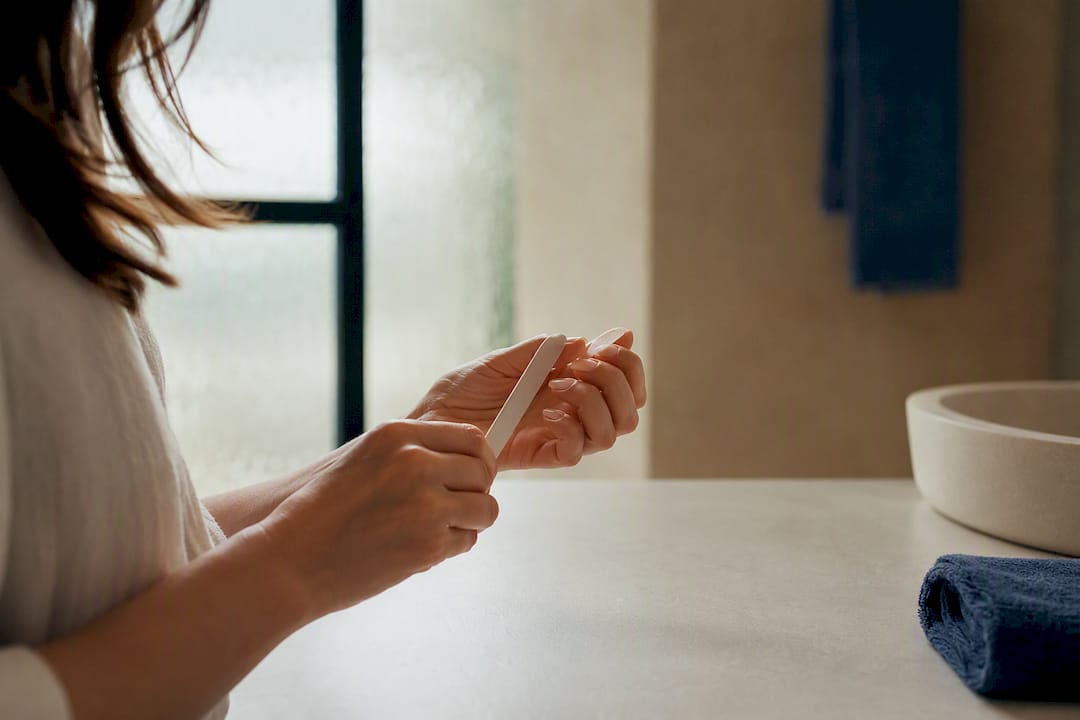
A quick clinical-style checklist to run before and after each session: prepare (quiet space, no phone), induction cue (your chosen breathing pattern or countdown), anchor practice (gesture plus calm feeling), after-recording action (the deliberate hand task above).
What To Do When You Slip Up
Lapses happen, and they do not mean the method failed. Hypnotherapists treat a lapse as a normal part of retraining a habit loop, not a personal failure, and the response matters more than the slip itself.
If you catch yourself biting again:
- Replay a short booster version of your recording that evening rather than waiting for the next scheduled session.
- Re-anchor immediately by using your gesture and naming the trigger that set off the episode (deadline stress, a torn cuticle, boredom).
- Track the trigger in a note on your phone so patterns become visible over a few weeks.
Some situations call for more than a recording. Add adjunct measures like a bitter-tasting nail polish worn at night, or a booster session with your therapist if lapses cluster around a specific stressor. If biting is tied to intrusive thoughts, extreme distress, or clear signs of obsessive-compulsive patterns, that is a signal to bring in integrated mental health support alongside hypnosis, not instead of it.
How To Pick a Hypnotherapist for Nail Biting
Not every hypnotherapist runs a clinically sound process, so a short screening conversation before booking pays off.
- Verify credentials. Confirm the practitioner is a Certified Clinical Hypnotherapist and asks about your health history before jumping into a script.
- Ask about their process. A solid clinician can describe how they map triggers, how many sessions they typically recommend for a habit like this, and what follow-up support looks like.
- Confirm remote options. Online sessions via video call work well for habit work since the induction and suggestion process do not require in-person contact.
- Watch for red flags. Be cautious of anyone promising a guaranteed permanent fix after one session with zero intake questions. That is a shortcut, not a clinical process.
One More Thing on Assessment
Every client bites for a different reason, so the first session is really about mapping that specific trigger pattern before any suggestion work begins. In practice, a common substitution taught in session is pressing a cool object, like a small stone, between the fingers instead of bringing hands to the mouth. It gives the nervous system a similar sensory reset without damage.
— Kirk
Ready to Stop Biting for Good? Here's How Hypnotic Transformations Helps
If you have tried a recording and still find yourself biting under stress, a personalized session addresses what a generic script cannot: your specific triggers, your anxiety patterns, and a plan built around both. Hypnotic Transformations offers online hypnotherapy for anxiety conducted over Zoom, which means the intake, induction, and anchor work happen from your own home rather than a waiting room.
A first conversation covers your trigger mapping, screens for any coexisting anxiety or stress patterns feeding the habit, and outlines a realistic session count instead of a one-size-fits-all script. If something beyond nail biting surfaces during that screening, such as broader anxiety or panic patterns, that gets addressed directly or referred appropriately rather than ignored. Explore the full range of session options and book an intake to start with a plan built around your specific triggers, not a generic recording.
Key Takeaways
Hypnosis reduces nail biting by interrupting the trigger-behavior-reward loop through pattern interruption, anchoring, and post-hypnotic suggestion, with results often visible within a few sessions.
| Point | Details |
|---|---|
| Mechanism matters | Hypnosis targets the cue and reward of the habit loop, not just willpower against the behavior itself. |
| Evidence is real but limited | A hypnobehavioral study showed immediate nail growth after treatment, sustained at three-month follow-up. |
| Recordings need specificity | Choose a habit-specific script from a credentialed clinician, roughly 15 to 30 minutes long. |
| Lapses are expected | Re-anchor and use a booster recording rather than treating a slip as failure. |
| Personalized care goes further | Hypnotic Transformations offers online sessions that map individual triggers and coexisting anxiety before building a suggestion plan. |
Sources
- Hypnobehavioral treatment of chronic nailbiting: A multiple baseline analysis
- Ask the experts: Can hypnotherapy help me stop nail biting? - Hypnotherapy Directory
- Hypnosis for Nail Biting: How It Works, Examples, & Effectiveness