
Permanent anxiety relief is achievable — here's what actually works
Anxiety does not have to be a life sentence. The most effective path to long-term relief combines evidence-based treatments like Cognitive Behavioral Therapy (CBT) and Selective Serotonin Reuptake Inhibitors (SSRIs) with consistent lifestyle changes and, for many people, targeted work on the subconscious patterns driving the fear response in the first place.
No single method works for everyone. But the research is clear: recovery is possible, and it typically requires more than one approach working together.
The core strategies that produce lasting results:
- CBT retrains anxious thought patterns and gradually exposes you to feared situations so your nervous system stops treating them as threats
- SSRIs reduce the neurochemical hyperreactivity that keeps anxiety running in the background
- Sleep, nutrition, and exercise lower your baseline arousal so your nervous system is less reactive to begin with
- Breathing techniques that extend the exhale activate the parasympathetic system, calming physical symptoms within minutes
- Gradual exposure to avoided situations breaks the avoidance cycle that keeps anxiety alive
- Clinical hypnotherapy accesses subconscious patterns that conscious-level therapy sometimes cannot reach, supporting deeper behavioral change
How do you know if what you're feeling is anxiety?
Anxiety shows up differently for different people, which is one reason it often goes unaddressed for years. Recognizing the pattern is the first step toward doing something about it.
Common symptoms of generalized anxiety:
- Persistent, excessive worry that feels hard to control
- Restlessness or feeling on edge most of the day
- Muscle tension, headaches, or a tight chest
- Difficulty concentrating or a mind that goes blank
- Sleep problems, particularly trouble falling or staying asleep
- Irritability that seems disproportionate to the situation
Panic attack symptoms are more acute:
- Sudden surge of intense fear, often with no clear trigger
- Heart palpitations or a racing pulse
- Shortness of breath or a feeling of choking
- Dizziness, lightheadedness, or feeling detached from your surroundings
- A strong urge to escape the situation immediately
The physiology behind both is the same: the fight-or-flight response fires when no real threat exists. Your adrenal glands flood the body with adrenaline and cortisol, your heart rate climbs, and your breathing shortens. The body is preparing to run from a predator that isn't there.
Anxiety disorders can affect a person's ability to work, study, and participate in daily activities. Recovery is possible with appropriate treatment, including exposure therapy, attention training, and anxiety management techniques that address both the physical and cognitive dimensions of the disorder.
Recognizing these symptoms matters because people who understand what is happening physiologically tend to respond to treatment better. Patient education improves self-efficacy and treatment adherence, which directly affects outcomes.
Natural lifestyle changes that reduce anxiety over time
Medication and therapy are not the only levers. Several lifestyle factors have solid evidence behind them, and they compound over time.
Physical activity is one of the most underused tools for anxiety. Regular moderate-intensity exercise most days of the week reduces anxiety baseline by burning off stress hormones and releasing endorphins. The catch: benefits typically take several weeks of consistent effort to appear, so starting and stopping defeats the purpose.
Sleep has a bidirectional relationship with anxiety. Sleep deprivation worsens anxiety symptoms and creates a feedback loop that is hard to break without deliberate intervention. Consistent sleep and wake times, limiting screens before bed, and keeping the bedroom cool and dark are practical starting points.
Nutrition plays a more direct role than most people realize. Magnesium, B vitamins, and calcium help regulate the nervous system, while caffeine, nicotine, and alcohol all trigger adrenaline release and worsen symptoms. Cutting caffeine alone produces noticeable changes for many people within a week.

Avoidance is the behavior that keeps anxiety strongest. Every time you avoid a feared situation, your brain records it as confirmation that the situation was dangerous. Gradual, deliberate exposure to those situations, even in small steps, teaches the nervous system that the threat is not real.
Key self-help practices:
- Diaphragmatic breathing, where your belly expands on the inhale rather than your chest
- Progressive muscle relaxation to release physical tension
- Structured problem-solving for worry-driven anxiety
- Assertiveness training to reduce the social anxiety that comes from suppressing your own needs
- Journaling to identify patterns in triggers and responses
Pro Tip: Extend your exhale to twice the length of your inhale. A four-count inhale followed by an eight-count exhale directly activates the parasympathetic nervous system and slows the fight-or-flight response. Practice this for five minutes before any situation you know triggers anxiety.
Evidence-based clinical treatments for long-term anxiety management
For moderate to severe anxiety, lifestyle changes alone are rarely enough. Clinical treatment is where the real structural change happens.
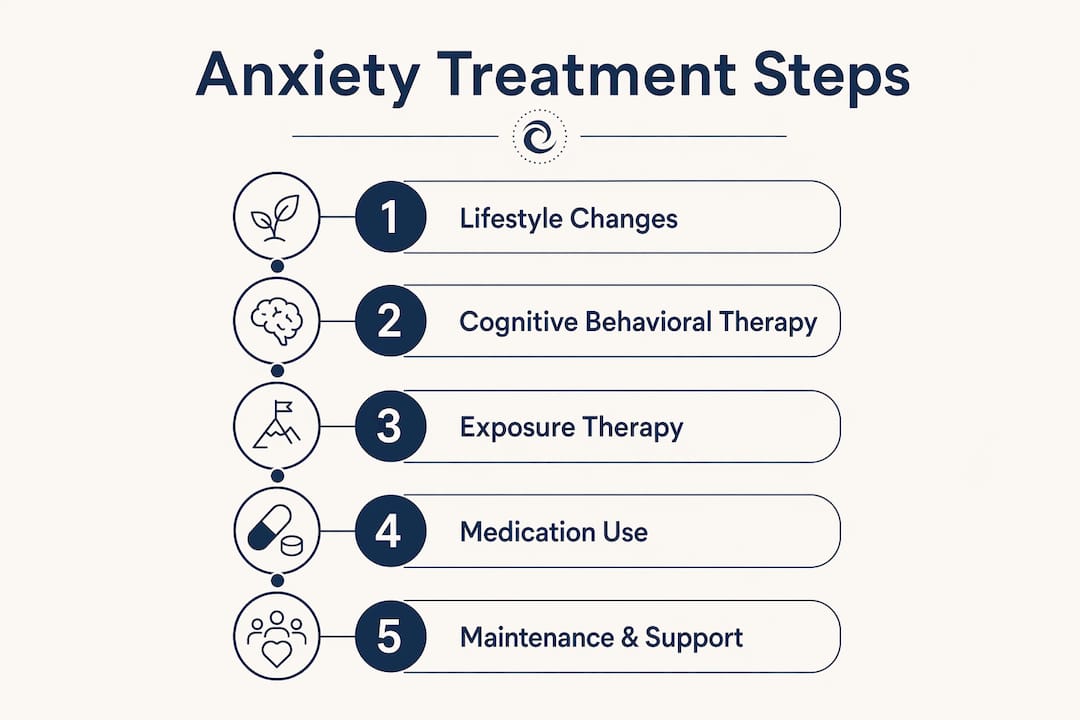
Cognitive Behavioral Therapy (CBT) is the most effective psychotherapy for anxiety disorders, according to Mayo Clinic. It works by targeting the thought patterns and behaviors that maintain anxiety, not just the symptoms. CBT techniques include cognitive restructuring (challenging distorted beliefs), reality testing, and planned exposure exercises that gradually desensitize the fear response. Most people see meaningful improvement within 12–20 sessions, though the work continues after formal therapy ends.
Exposure therapy, a core component of CBT, directly addresses avoidance. You rank feared situations from least to most threatening, then work through them systematically, staying in each situation long enough for your anxiety to peak and subside naturally. This is how the brain learns that the feared outcome does not materialize.
SSRIs are the preferred medication for long-term anxiety management. They carry fewer side effects and lower dependency risk than benzodiazepines, which is why current psychiatric practice favors them. SSRIs typically take 4–6 weeks to reach full effect, and most clinical guidelines recommend continuing them for at least a year after symptoms stabilize.
Benzodiazepines (such as diazepam or lorazepam) provide fast relief but carry real dependency risks. They are appropriate for short-term, acute situations, not as a long-term solution.
The combination of CBT and SSRIs produces the strongest outcomes for sustained anxiety relief, often requiring 6 months to 2 years to achieve stable functional improvement. Medication creates the neurochemical stability that makes therapy more effective; therapy builds the cognitive and behavioral skills that outlast the medication.
Key clinical treatment options:
- CBT with a licensed therapist, in-person or via telehealth
- Exposure therapy as part of a structured CBT program
- SSRIs prescribed and monitored by a psychiatrist or primary care physician
- Buspirone as an alternative anti-anxiety medication with no dependency risk
- Combination treatment for moderate to severe disorders
When should you seek professional help for anxiety?
Anxiety becomes a clinical concern when it starts limiting your life. If you are avoiding situations, relationships, or responsibilities because of fear, that is the signal.
Signs that professional support is needed:
- Anxiety that persists most days for six months or more
- Panic attacks that occur without warning or a clear trigger
- Avoidance that is shrinking your daily life
- Physical symptoms like chest pain or shortness of breath that have no medical cause
- Anxiety that is not improving despite consistent self-help efforts
Finding the right support does not have to be complicated. Your primary care physician is a reasonable first stop. They can rule out physical causes, refer you to a psychiatrist for medication evaluation, or connect you with a licensed therapist. Online platforms now make it possible to access CBT, clinical counseling, and online hypnotherapy for anxiety from home, which removes a significant barrier for people whose anxiety makes leaving the house difficult.
Support groups, both in-person and online through organizations like the Anxiety and Depression Association of America (ADAA), provide community and shared experience that complements formal treatment. The NHS recommends talking to a health professional if the strategies you are trying on your own are not producing results.
What clinical hypnotherapy does that other treatments sometimes miss
Most anxiety treatments work at the conscious level. CBT asks you to identify and challenge distorted thoughts. Medication adjusts neurochemistry. Both are effective. But anxiety often has roots in subconscious patterns formed well before a person had the cognitive tools to process them.
Clinical hypnotherapy accesses and modifies subconscious thought patterns that contribute to anxiety, producing meaningful reduction by targeting root triggers rather than surface symptoms. In a hypnotherapy session, the nervous system enters a deeply relaxed state, which reduces the brain's defensive reactivity and makes subconscious patterns more accessible. Techniques like NLP, guided imagery, and advanced hypnotic modalities are used to reframe the associations that keep the fight-or-flight response firing inappropriately.
Anxiety is a learned pattern of overreactive nervous system response. The subconscious mind holds the associations that trigger it. When those associations are addressed directly, the nervous system can recalibrate in ways that conscious-level work alone often cannot achieve.
Hypnotherapy works best as part of a broader treatment plan, not as a standalone replacement for CBT or medication. The combination is where the real shift happens: CBT addresses conscious thought patterns, medication stabilizes neurochemistry, and hypnotherapy works on the deeper subconscious layer.
Kirk Hoffman, Certified Clinical Hypnotherapist at Hypnotictransformations, works with clients via Zoom, which means geography is not a barrier. Sessions are personalized to the specific fear or anxiety pattern driving the problem, not a generic relaxation script.
Pro Tip: If you have been in therapy for months without the progress you expected, the missing piece may be subconscious. Hypnotherapy is not a replacement for CBT or medication. It is a way to address the layer underneath them.
How to prevent anxiety from coming back
Sustained relief requires an ongoing maintenance strategy, not just an exit from treatment. Long-term anxiety recovery depends on continuing to engage with triggers rather than avoiding them, even after formal treatment ends.
The most effective relapse prevention plans include three components. First, a written list of your personal warning signs: the early signals that anxiety is building before it becomes acute. Second, pre-planned coping responses for each warning sign, so you are not improvising when you are already activated. Third, a commitment to continuing the behaviors that produced improvement, particularly exercise, sleep, and deliberate exposure to situations that once triggered avoidance.
Setbacks are normal and do not mean the progress was lost. A spike in anxiety after a stressful life event is not a relapse; it is a nervous system response to a real stressor. The difference between people who maintain their gains and those who do not is usually whether they return to their coping strategies quickly or wait until the anxiety has rebuilt its full momentum.
Staying connected to a therapist, even on a monthly check-in basis, provides accountability and a place to address new triggers before they become entrenched patterns.
How mindfulness and meditation support lasting anxiety relief
Mindfulness is not a relaxation technique. It is a practice of observing thoughts and physical sensations without reacting to them, which directly interrupts the anxiety cycle at its source.
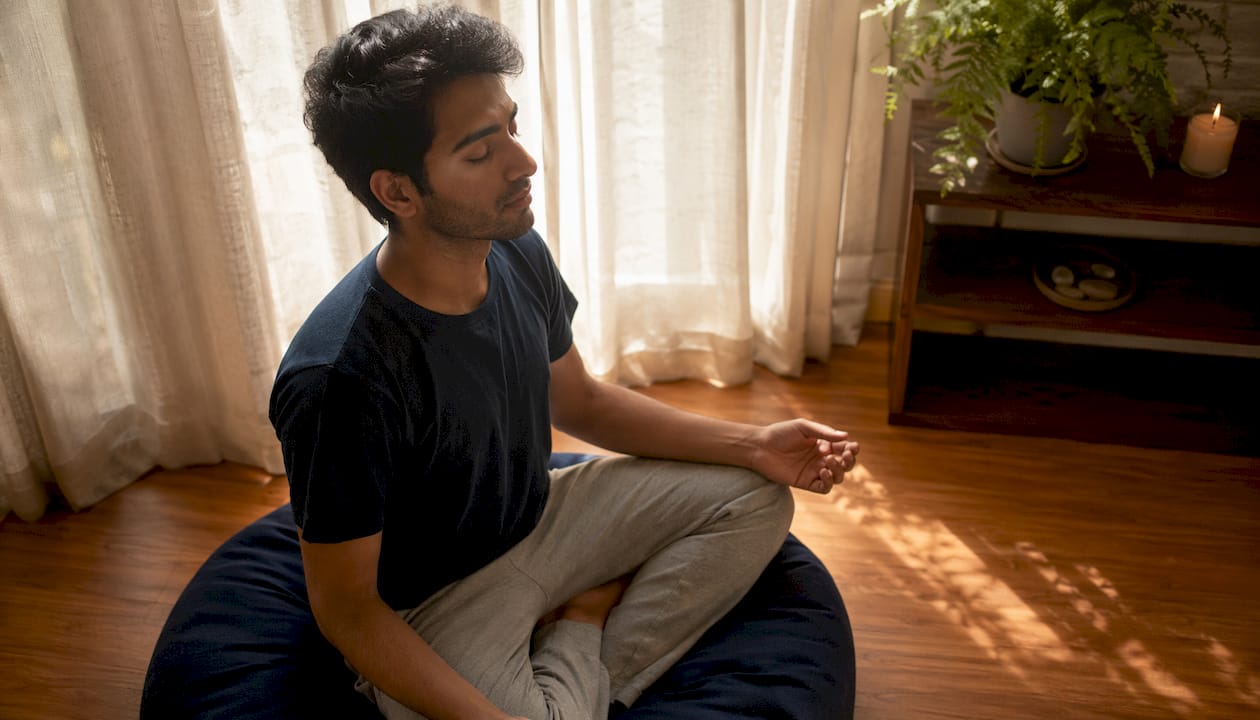
The anxiety cycle runs like this: a trigger produces a thought, the thought produces a physical sensation, the sensation produces more anxious thoughts, and avoidance or compulsive reassurance-seeking follows. Mindfulness breaks that chain by creating a gap between the trigger and the reaction. Over time, with consistent practice, the brain's default response to uncertainty shifts from alarm to observation.
Meditation, practiced daily for even 10–15 minutes, builds the neural capacity for that gap. Apps like Headspace and Insight Timer offer structured programs for beginners. Mindfulness-Based Stress Reduction (MBSR), an 8-week structured program developed at the University of Massachusetts Medical School, has a strong evidence base for anxiety reduction and is available online.
The key word is sustained. A single meditation session produces temporary calm. Six months of daily practice produces a measurable change in how the nervous system responds to stress. Breathing and movement provide immediate symptom relief, but sustained rewiring of anxiety requires months of consistent practice and cognitive engagement.
Key Takeaways
Permanent anxiety relief requires combining evidence-based clinical treatment, consistent lifestyle change, and sustained behavioral engagement with triggers rather than avoiding them.
| Point | Details |
|---|---|
| CBT and SSRIs are first-line treatments | The combination typically requires 6 months to 2 years to achieve stable, lasting improvement. |
| Avoidance maintains anxiety | Every avoided situation reinforces the brain's fear response; gradual exposure reverses it. |
| Lifestyle factors lower your baseline | Regular exercise, quality sleep, and reducing caffeine and alcohol reduce nervous system reactivity. |
| Hypnotherapy targets the subconscious layer | Clinical hypnotherapy addresses root subconscious triggers that conscious-level therapy may not reach. |
| Relapse prevention requires a written plan | Identifying personal warning signs and pre-planned responses keeps anxiety from rebuilding after treatment. |