What actually stops anxiety fast?
The fastest ways to calm anxiety involve specific breathing, physical, and sensory techniques that signal safety to your nervous system, not willpower. These methods interrupt the fight-or-flight response at the physiological level, which means they work whether or not your anxious thoughts make logical sense. Most produce a noticeable shift within 60 seconds.
Here are six clinically supported techniques you can use right now:
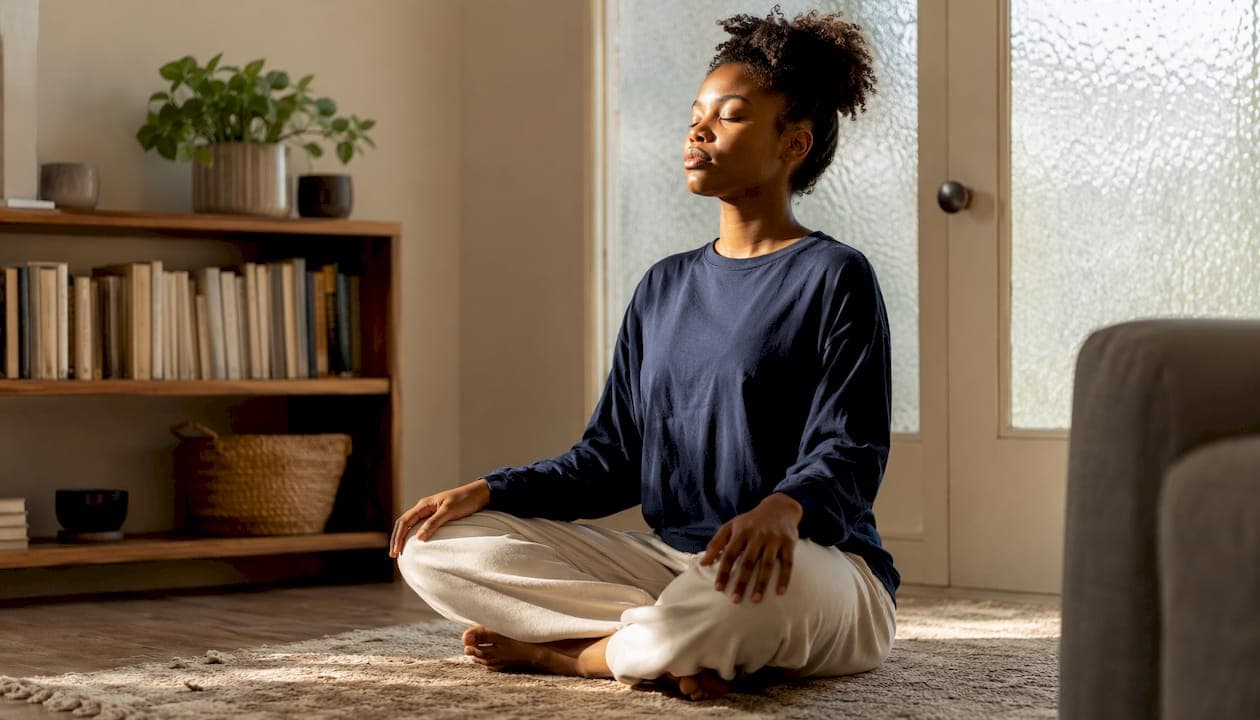
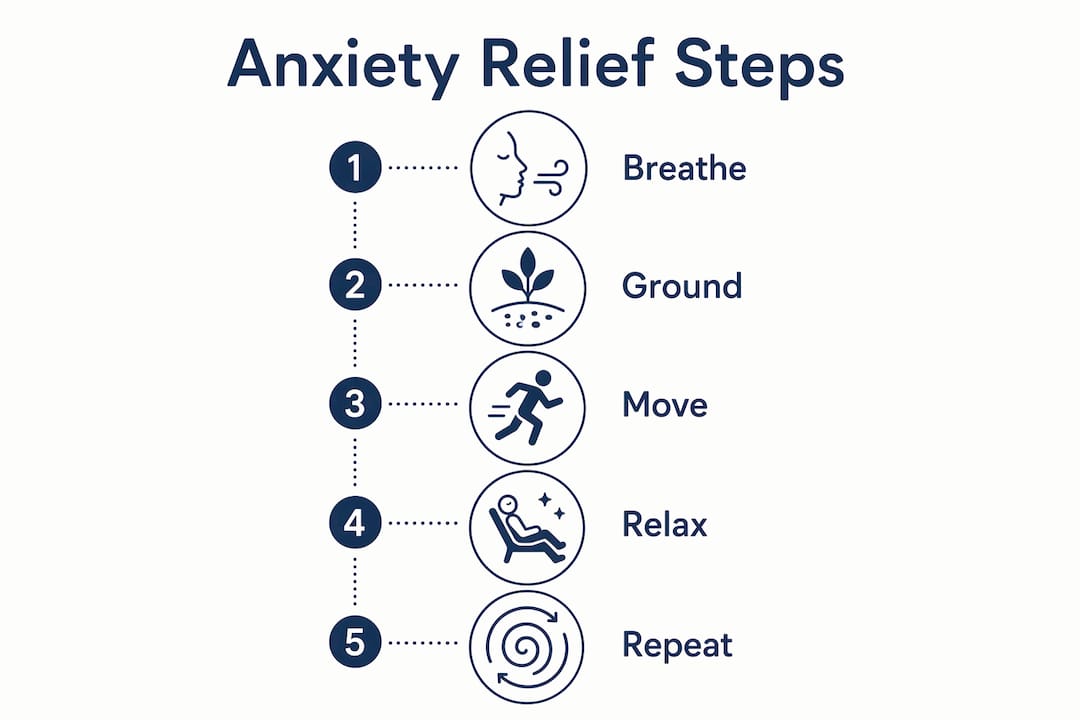
- Extended exhale breathing: Inhale for 4 counts, exhale for 6–8 counts. The longer exhale activates the parasympathetic system, lowering adrenaline within one to two breath cycles. Repeat five times.
- Physiological sigh: Take a full inhale through your nose, then a second sharp sniff to top off your lungs, then exhale completely through your mouth. Developed at Stanford, this is the fastest known breathing technique for acute anxiety reduction.
- Cold water on your face: Splash genuinely cold water on your cheeks, forehead, and around your eyes for 30 seconds. This triggers the mammalian dive reflex, slowing heart rate almost immediately.
- 5-4-3-2-1 grounding: Name 5 things you see, 4 you feel, 3 you hear, 2 you smell, 1 you taste. Do it slowly. The specificity is what shifts brain activity from the amygdala to the prefrontal cortex.
- Progressive muscle relaxation: Tense each muscle group for 5 seconds, then release. Start at your feet and work upward. The contrast between tension and release teaches your body to recognize and let go of anxiety-driven tension.
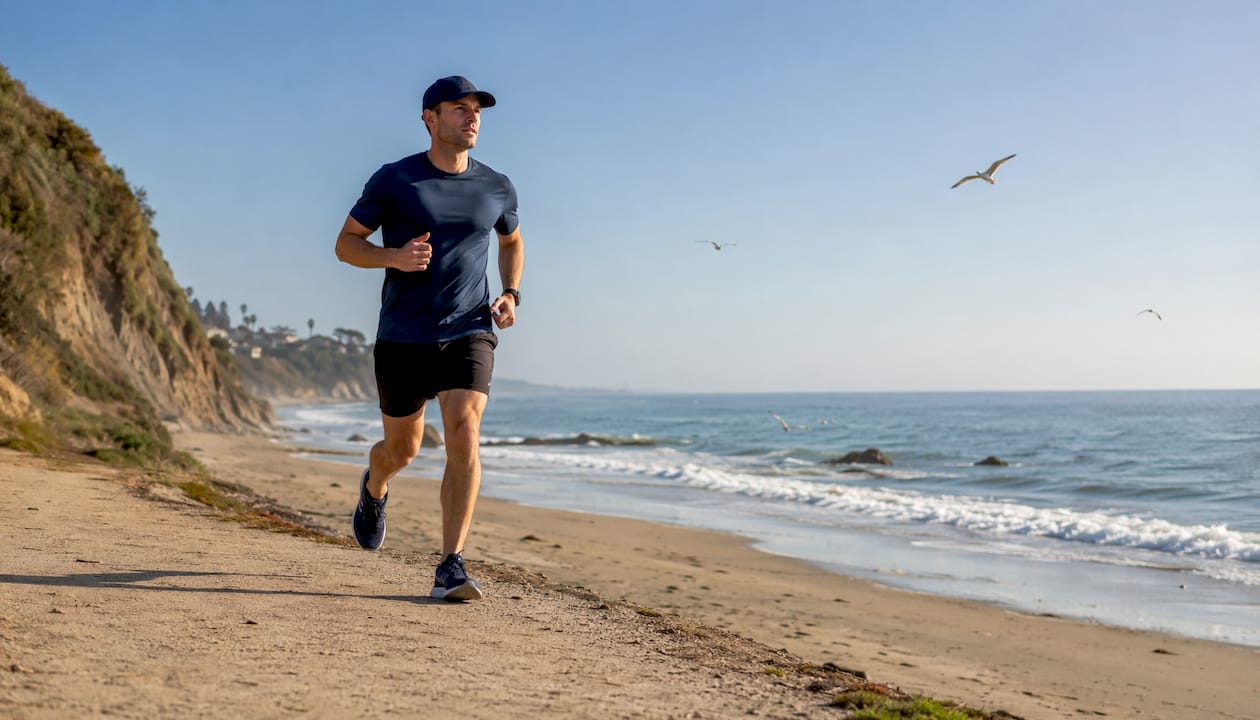
- Simple stretching or movement: A brisk 10-minute walk burns off the cortisol and adrenaline your body produced, giving those stress hormones somewhere to go.
Pro Tip: Combine extended exhale breathing with the 5-4-3-2-1 grounding technique. Breathe slowly while you name each sensory detail. The two together calm your physiology and redirect your attention simultaneously, which tends to work faster than either alone.
How does breathing actually reduce anxiety so quickly?
The physiology is straightforward. When you exhale longer than you inhale, the vagus nerve activates the parasympathetic nervous system, which counters the fight-or-flight state your body entered. Cyclic sighing, a pattern of repeated physiological sighs, improves mood more effectively than mindfulness meditation after just five minutes of daily practice.
The physiological sigh works partly because stress causes some lung alveoli to partially collapse, which raises CO2 and produces the physical sensations of anxiety like chest tightness and tingling. The double inhale re-inflates those alveoli, and the long exhale expels CO2 rapidly. One to three repetitions is usually enough to feel a shift.
Movement works through a different mechanism. People who exercise regularly are 25% less likely to develop anxiety disorders, and a single 10-minute walk reduces acute anxiety as effectively as a 45-minute vigorous workout. Exercise metabolizes the stress hormones that fuel the anxiety state.
One caution: forceful deep breathing or over-breathing can cause dizziness and make anxiety worse. The goal is slow, controlled exhalation, not maximum lung volume. If you feel lightheaded, slow down and let the exhale do the work.
| Technique | Primary effect | Time to relief |
|---|---|---|
| Extended exhale breathing | Lowers adrenaline via vagus nerve | 1–2 breath cycles |
| Physiological sigh | Expels CO2, re-inflates alveoli | 10–30 seconds |
| Cold water on face | Slows heart rate via dive reflex | Under 30 seconds |
| 10-minute brisk walk | Metabolizes cortisol and adrenaline | 10 minutes |
| Progressive muscle relaxation | Releases physical tension | 5–10 minutes |
Statistic: People with regular physical activity are 25% less likely to develop anxiety disorders, and even a single 10-minute walk produces measurable anxiety reduction.
Cognitive and sensory strategies that interrupt anxiety
Grounding works because anxiety lives in imagined futures and replayed pasts. The 5-4-3-2-1 technique forces your attention onto specific present-moment sensory details, which pulls brain activity toward the prefrontal cortex and away from the amygdala. The key word is specific: "a blue coffee mug with a chip on the handle" anchors you more effectively than "a cup."
Progressive muscle relaxation adds a physical layer. Anxiety stores itself in the body as chronic muscle tension, often in the jaw, shoulders, and chest. Deliberately tensing and releasing each muscle group breaks that holding pattern and gives your nervous system a clear signal that the threat has passed.
Sensory distractions like music can also help. Slow-tempo music around 60 beats per minute can entrain your breathing and heart rate toward a calmer rhythm. Choose music you already associate with calm, not something new that requires active listening.
Practical cognitive and sensory tools for quick anxiety relief:
- Language reframing: Replace "I can't handle this" with "I'm having this thought, and I don't have to act on it." The reframe doesn't deny the feeling; it removes the catastrophic interpretation.
- Self-compassion affirmations: Short, truthful phrases like "This will pass" or "I am safe right now" counter the brain's false alarm signals without toxic positivity.
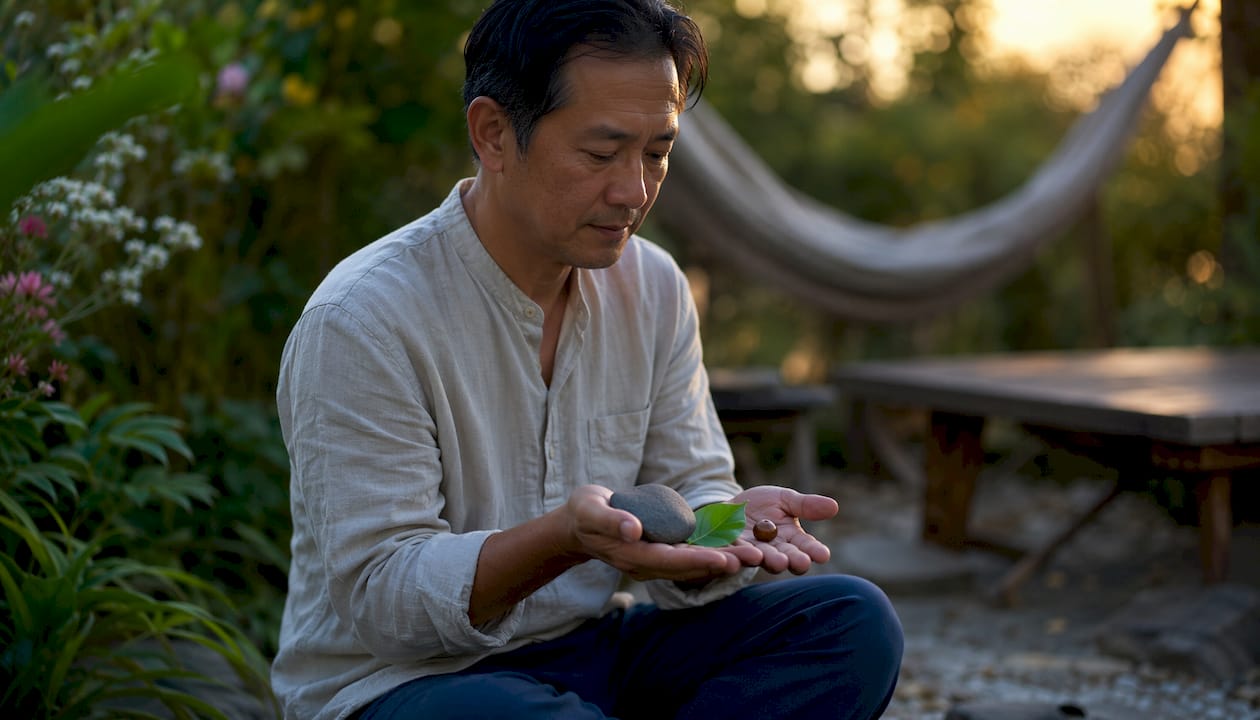
- Textured objects: Holding something with a strong texture, like a rough stone or a fabric swatch, gives your nervous system a concrete sensory anchor.
- Cold pack on the wrists or neck: Similar to cold water on the face, this activates the dive reflex in a more portable format.
For panic attacks, physical and sensory methods (cold water, grounding, breathing) work faster than cognitive ones. Cognitive reframing is more useful for chronic worry, where the nervous system is not in acute overdrive.
How to apply these techniques consistently
Short daily micropractices prevent anxiety from escalating in the first place. A 20-second daily self-compassion touch practice, such as placing a hand on your chest and breathing slowly, lowers stress hormone levels and improves mood consistently over one month. The barrier to entry is low enough that skipping it takes more effort than doing it.
Small regular interventions throughout the day prevent your nervous system from reaching the high-arousal tipping point where anxiety takes over. Noticing your breath during a commute, doing three physiological sighs before a meeting, or pressing your feet into the floor while at your desk all count. You can also calm your nervous system through minimalist design in your home or workspace, reducing the environmental inputs that keep your threat-detection system on alert.
Pro Tip: Set two phone reminders daily, one mid-morning and one mid-afternoon, to do a 60-second breathing check. You're not waiting for anxiety to appear. You're keeping the nervous system below the threshold where it becomes hard to manage.
Practical tips for consistency:
- Pair a technique with an existing habit, such as extended exhale breathing every time you stop at a red light.
- Keep a cold pack in the freezer if panic attacks are common for you.
- Write two or three grounding phrases on a card and keep it in your wallet.
- Experiment with different methods across different contexts. What works at your desk may not work in a crowded store.
How hypnotherapy targets the root causes of anxiety for lasting relief
Quick relief techniques manage the symptoms. They do not change the subconscious patterns that keep triggering the anxiety response in the first place. Hypnotherapy works differently. By guiding a person into a deeply relaxed state, a clinical hypnotherapist can access the subconscious mind directly and begin altering the neural pathways and fear associations that generate anxiety automatically.
Hypnotictransformations uses NLP, guided imagery, and advanced hypnotic techniques to address anxiety at its source. Sessions are conducted online via Zoom, which means you access personalized hypnotherapy for anxiety from wherever you are, without the added stress of travel or waiting rooms. The approach targets the subconscious patterns driving anxiety rather than teaching you to cope with symptoms indefinitely.
The contrast with quick-relief techniques is worth naming clearly. Breathing and grounding are tools you use when anxiety arrives. Hypnotherapy works to reduce how often and how intensely it arrives at all.
Key Takeaways
The most effective approach to fast anxiety relief combines immediate physiological techniques with consistent daily micropractices and, for lasting change, professional support that addresses the subconscious roots of anxiety.
| Point | Details |
|---|---|
| Breathing is the fastest tool | Extended exhale and physiological sigh lower adrenaline within one to two breath cycles. |
| Cold water stops panic quickly | Splashing cold water on your face triggers the dive reflex, slowing heart rate in under 30 seconds. |
| Exercise metabolizes stress hormones | A 10-minute walk reduces acute anxiety as effectively as a 45-minute vigorous workout. |
| Micropractices prevent escalation | A 20-second daily self-compassion touch practice lowers stress hormones consistently over one month. |
| Hypnotherapy addresses the source | Clinical hypnotherapy targets subconscious fear patterns, not just symptom management. |
Best practices for quick anxiety relief and sustainable management
The techniques that work fastest for acute anxiety:
- Do three physiological sighs immediately when anxiety spikes.
- Follow with extended exhale breathing (4 counts in, 6–8 counts out) for three to five minutes.
- Use cold water on your face if you're in a panic or near-panic state.
- Run the 5-4-3-2-1 grounding exercise while breathing slowly.
- Take a 10-minute brisk walk when your environment allows it.
Combining two or more techniques produces a stronger effect than any single method alone. Breathing plus grounding, for example, addresses both the physiological and attentional components of anxiety at the same time.
Seek professional help when anxiety is frequent, intense, or interfering with daily life. Quick-relief techniques are not a substitute for clinical support. If you find yourself relying on these methods multiple times a day, that pattern itself is a signal worth addressing with a professional.
Why caffeine and alcohol make anxiety worse
Caffeine and alcohol are the two most common substances people reach for when anxious, and both tend to backfire. Caffeine stimulates the sympathetic nervous system, raising heart rate and cortisol, which are the same physiological markers as anxiety. If your nervous system is already primed for threat detection, caffeine amplifies that state rather than dampening it.
Alcohol creates a different problem. It may reduce anxiety temporarily by depressing the central nervous system, but as it metabolizes, it produces a rebound effect that raises anxiety above its original baseline. Regular use also disrupts sleep, and poor sleep is one of the strongest predictors of next-day anxiety severity.
The practical guidance is simple: when you're in an anxious state, skip both. Water, herbal tea, or nothing at all supports the nervous system better than either stimulant or depressant. If you want natural ways to reduce stress at home without relying on substances, the micropractices covered throughout this article are a more reliable starting point.
Ready to address anxiety at its source?
Quick-relief techniques give you tools for the moment. If you want to change what's happening underneath, Hypnotictransformations offers online clinical hypnotherapy sessions with Kirk Hoffman, Certified Clinical Hypnotherapist, conducted via Zoom nationwide. Sessions target the subconscious patterns driving your anxiety, not just the symptoms. Book a free consultation to find out whether hypnotherapy is the right next step for you.